Key Takeaways
- Match format to objective—use microlearning for reinforcement and quick reference, but invest in deeper formats when complex skill building requires sustained practice.
- Short content without context or application produces shallow understanding that doesn't transfer
- Effective learning design matches format to objective—sometimes depth matters more than brevity
The appeal of microlearning is obvious. Instead of pulling employees away for hour-long courses, you deliver focused content in brief sessions that fit into the workday. Learners spend less time training and more time working. However, microlearning alone isn't enough—adaptive learning and spaced repetition are what drive real knowledge retention.
Here's what's often overlooked: making content shorter doesn't automatically make it more effective. Understanding what microlearning really means helps clarify this distinction. If you simply chop a long course into smaller pieces and deliver those pieces to everyone in the same sequence, you've improved convenience but not necessarily learning outcomes.
The real breakthrough happens when training adapts to each learner.
The Limits of One-Size-Fits-All
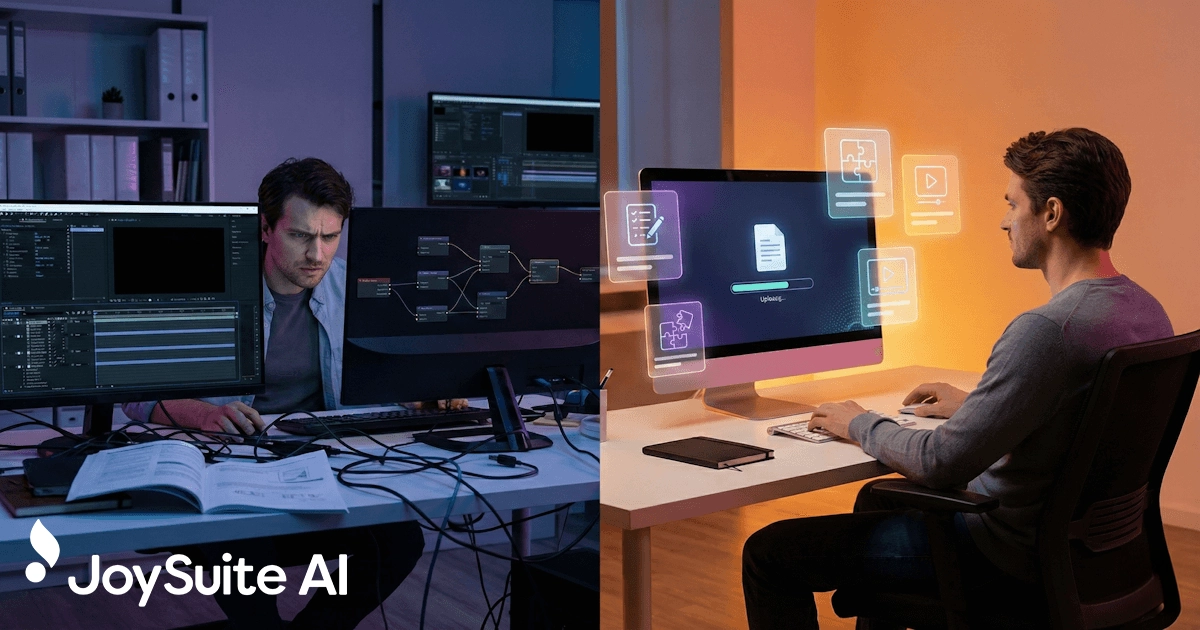
Consider a typical training scenario. You have a team of twenty people who need to learn about a new product line. Some are seasoned veterans who already know most of the basics. Others are newer and need more foundational context. Some struggle with technical specifications while others breeze through them but need more help with customer-facing scenarios.
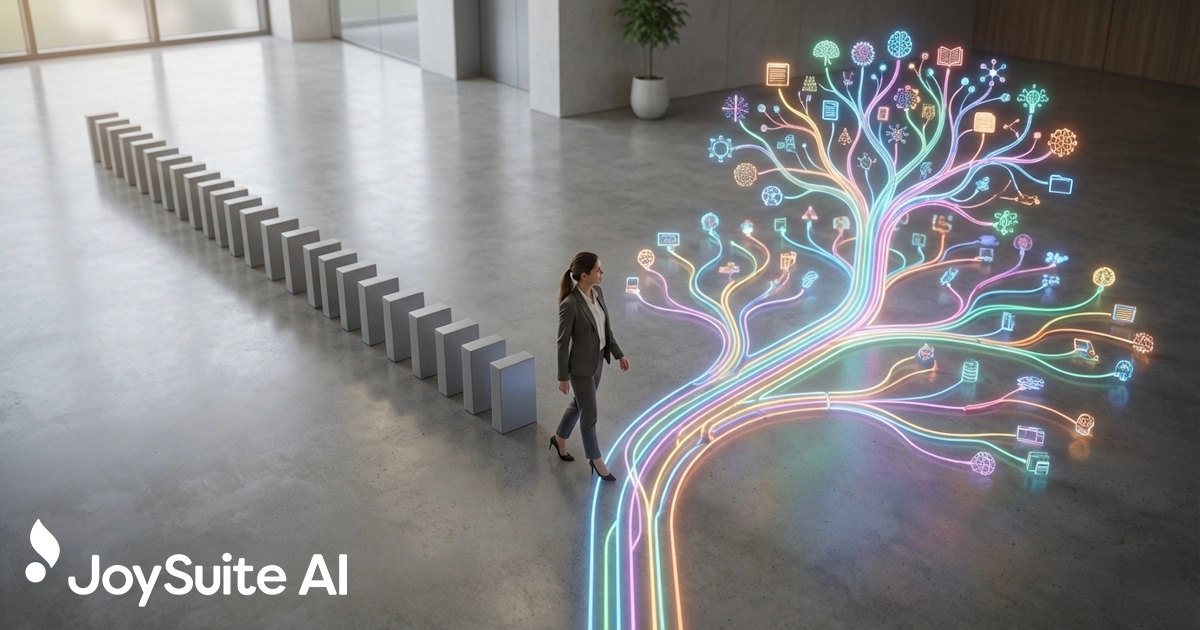
Traditional training—even when delivered in short segments—treats all twenty the same way. Everyone gets the same content in the same order. The veterans click through information they already know, growing bored and disengaged. The newer employees might miss key foundations while advanced content leaves them confused.
The result? Some people are over-trained on things they don't need. Others are under-trained on things they do. And everyone's time is partially wasted.
What Adaptive Actually Means
Adaptive learning solves this by tailoring content to each individual. The system tracks what each person knows and doesn't know, then adjusts what it delivers accordingly.
Someone who demonstrates mastery of basic concepts moves quickly to advanced material. Someone who struggles with a particular topic gets additional practice and reinforcement in that area. Content that a learner already knows well appears less frequently; content they're weak on appears more often.
Learners spend their limited training time on exactly what they need—no more clicking through redundant material, no more gaps in critical knowledge areas.
The personalization happens automatically. Algorithms identify knowledge gaps based on performance and adjust the content mix for each learner. Employees with more experience reach mastery faster because they're not slogging through basics. Newer employees get the extra support they need without holding back their more experienced colleagues.
The Three Elements That Matter
Effective learning in the modern workplace requires three components working together.
The first is structured, focused content—information broken down into clear, manageable pieces that each address a specific concept or skill. This is the microlearning piece, and it matters because our brains learn incrementally. Learning how to design effective microlearning is crucial here.
The second is adaptive delivery—systems that personalize what each learner sees based on their individual knowledge gaps and goals. This ensures training is relevant to each person rather than forcing everyone through the same content.
The third is spaced repetition—continuous reinforcement that spaces out learning over time rather than concentrating it in one-time events. This is what builds actual knowledge retention rather than temporary familiarity.
Most training initiatives nail the first element but miss the other two. They create short content but deliver it the same way to everyone, in a single burst, with no follow-up. This is why understanding what actually makes learning effective is essential. That's better than traditional hour-long courses, but it leaves significant value on the table.
When Personalization Pays Off
The benefits of adaptive learning are most pronounced in certain situations.
When learners have varying levels of prior knowledge, adaptive systems prevent the frustration of advanced learners and the confusion of beginners by meeting each person where they are.
When knowledge retention matters long-term—not just for a test—spaced repetition based on individual retention patterns makes a significant difference.
When training time is genuinely limited, ensuring that each minute is spent on content the learner actually needs maximizes the return on that investment.
And when the goal is genuine mastery rather than completion metrics, adaptive systems can verify that learners actually know the material rather than just that they've been exposed to it.
Moving Beyond "Training Completed"
The shift from tracking completions to tracking mastery represents a fundamental change in how organizations think about learning. Completions tell you that someone clicked through slides. Mastery tells you they actually know the material and can apply it.
Adaptive systems make mastery tracking possible by continuously assessing what each learner knows. Rather than a single test at the end, they gather data throughout the learning process, building a picture of each person's strengths and gaps.
The goal of training isn't to check a box—it's to change behavior and improve performance. Answers on demand help bridge the gap between learning and application. Short content helps by fitting into busy schedules. Adaptive delivery ensures content is relevant. Together, they create learning that actually works.
JoySuite combines the accessibility of microlearning with the intelligence of adaptive learning. Joy's AI assistant delivers personalized answers based on each person's role and context, while the /memorize command uses spaced repetition to build lasting knowledge retention of must-know information. The result is a microlearning platform that adapts to your team—not the other way around.