
Key Takeaways
- Learning cultures fail when they require time people don't have—success comes from embedding learning into existing work
- Micro-learning moments (2-5 minutes) during natural workflow pauses are more effective than scheduled training blocks
- The goal isn't more training hours—it's making every question an opportunity to learn
Ask any executive if learning and development matters, and you'll get enthusiastic agreement. Ask those same executives' employees when they last spent time on professional development, and you'll get awkward silence.
The gap between what organizations say about learning and what actually happens is enormous. And the excuse is almost always the same: "We're too busy." This is where microlearning and learning in the flow of work become essential. Traditional approaches to building a learning culture fail because they compete with daily responsibilities instead of complementing them.
The 'Too Busy' Paradox: Why Learning Culture Fails
Here's the uncomfortable truth: people make time for what matters. We're too busy for learning, but somehow not too busy for:
- Two-hour meetings that could be emails
- Searching for information that should be findable
- Re-explaining things we've explained before
- Fixing mistakes that training would have prevented
The problem isn't time. The problem is that we've made learning something that happens outside of work instead of as part of work.
Why Learning as a Separate Activity Is Doomed
Traditional learning asks employees to stop working and go learn. Block out an hour for the training module. Attend the workshop. Watch the webinar.
This creates a zero-sum competition between learning and getting work done. And work always wins in the short term—training gets postponed, skipped, or rushed through without retention.
Microlearning in the Flow of Work: The Alternative
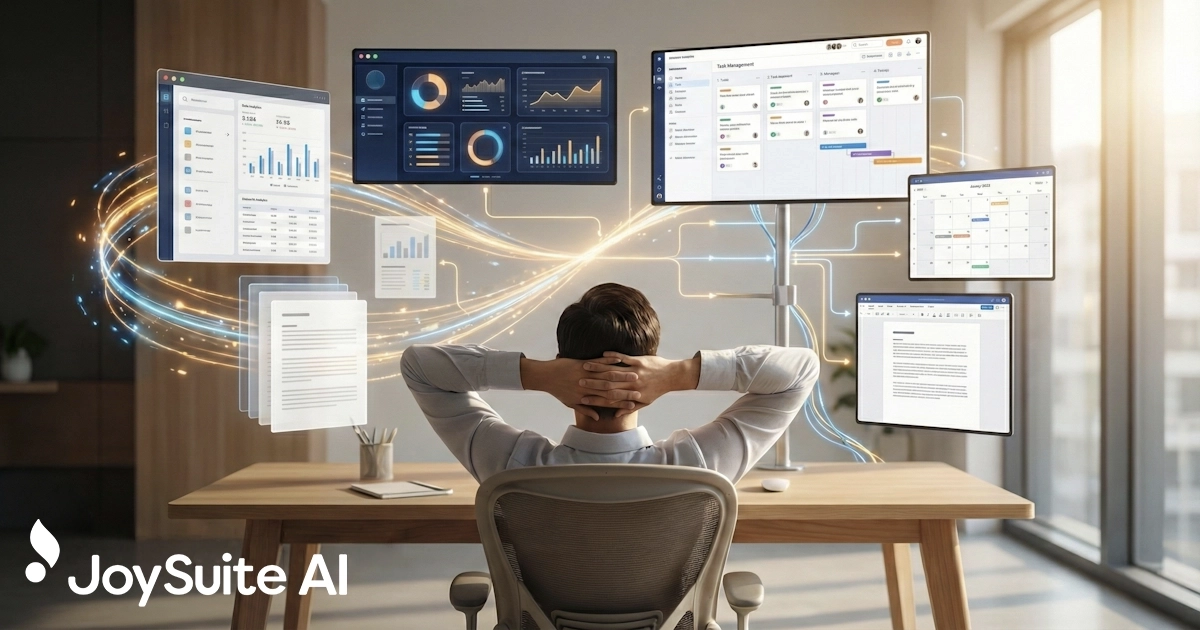
What if learning happened while working, not instead of working? This is the promise of microlearning and learning in the flow of work—approaches that embed development into daily activities.
Answering Questions Teaches Knowledge
When an employee asks "How do I handle a customer requesting a refund outside our policy?" and gets a detailed answer with context—that's learning. They didn't stop working to learn. They learned by working.
Microlearning Fits Into Any Schedule
A 45-minute training session is hard to schedule. However, a 3-minute microlearning session while prepping for a call fits anywhere. The same content, delivered in smaller doses at moments of need, actually gets used.
Immediate Feedback Accelerates Development
Waiting until a performance review to learn you've been doing something wrong means months of reinforced bad habits. Real-time feedback—whether from a manager, a peer, or an AI coach—builds skills faster with less formal training time.
Structural Changes That Build Learning Culture
Culture change isn't just about mindset. It requires structural support to succeed:
- Make knowledge findable in seconds. If employees spend 20% of their time searching for information, fix that before asking them to find time for training. Enterprise AI search eliminates this friction.
- Embed learning in existing tools. The LMS that nobody logs into won't build a learning culture. Learning that appears where work happens might actually get used.
- Celebrate learning publicly. What gets recognized gets repeated. If hitting sales targets gets celebrated but learning new skills doesn't, guess what people prioritize?
- Model it from leadership. When leaders visibly invest time in their own learning—and talk about what they're learning—it signals that development isn't just for junior employees.
The Goal: Learning as Reflex
In a true learning culture, people don't think "I should do some learning." Instead, they think "I wonder how to do this better" and immediately have ways to find out.
When microlearning is as easy as asking a question, when practice opportunities are available at any moment, when feedback is immediate rather than annual—"too busy" stops being a valid excuse.
Because learning isn't separate from work anymore. It's simply how work gets done. This integration is what separates organizations with genuine learning cultures from those that just talk about it.
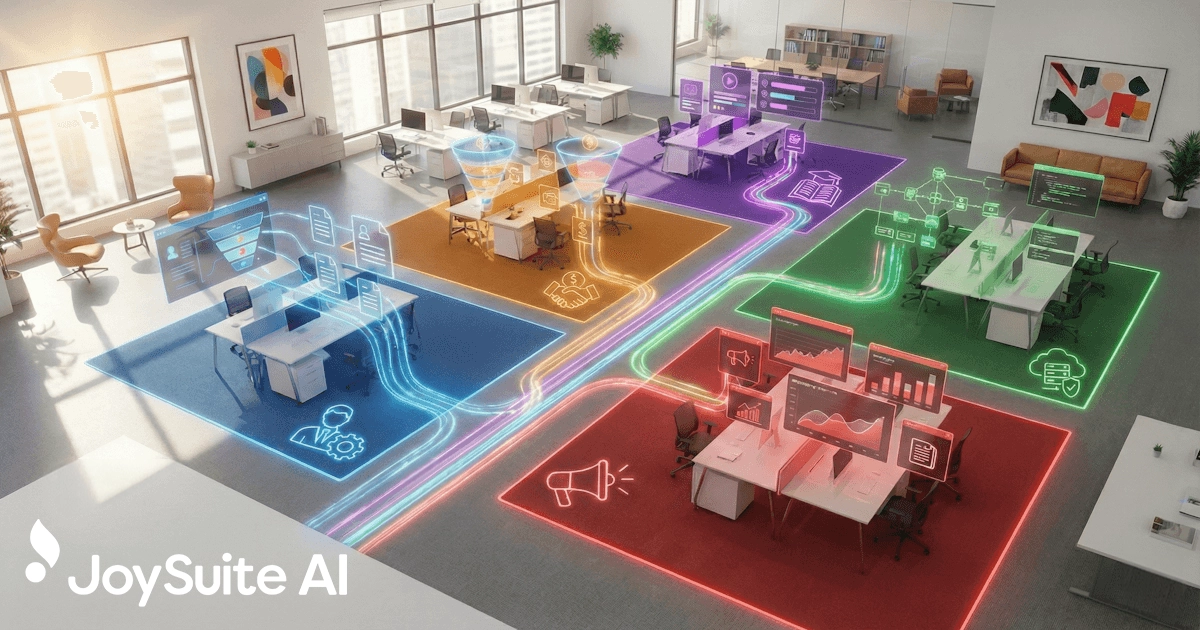
JoySuite embeds microlearning directly into the flow of work with an AI Knowledge Coach that turns any document into a conversational adaptive learning experience, and an AI Assistant that answers questions with cited sources from your knowledge base. No more choosing between learning and working.